Skip to content
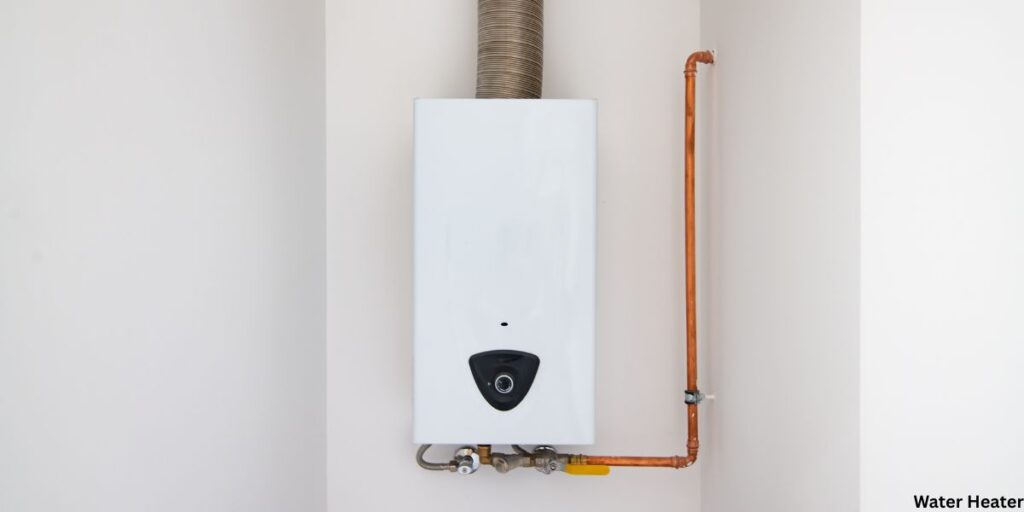
Most US homeowners don’t notice a leaking water heater right away. You pass the heater and see water on the floor. Maybe a small puddle. Maybe a slow drip. Easy to ignore. But leaks don’t stay minor. Older US buildings deal with pressure changes, winter strain, and aging plumbing. Over time, that stress wears the system down. Catching it early can prevent serious damage and costly repair.
What to Do First When You Notice Water Around the Heater
Act quickly. Even a small leak can spread under flooring before it’s obvious.
Turn Off The Power Or Gas
Shut off the breaker for electric units or the gas valve. This stop heating and prevents added pressure.
Shut Off The Cold Water Supply
Turn the valve above the tank clockwise. This limits further leakage.
Check The Tank And Nearby Floor
Dry the area and check again. Continued moisture or water heater dripping usually means internal wear or valve failure.
Lowering the temperature can also reduce pressure temporarily. These steps help contain the problem, but they don’t fix internal damage.
Find the Leak Source Before Assuming the Worst
Not every leak means the tank has failed. In many homes, leaks start at valves or pipe connections. The location usually tells you how serious the problem is.
Top pipe connections
These fittings loosen over time from daily heating and cooling. This often causes water dripping from water heater connections. Tightening may help briefly, but worn fittings usually need replacement.
Temperature and pressure relief valve
This valve releases excess pressure to protect the tank. If it leaks, pressure inside may be too high or the valve itself may be worn.
Drain valve near the bottom
Sediment collects here and weakens the seal. What starts as a small drip can turn into steady leakage as the valve deteriorates.
Tank base itself
This is the most serious case. Rust or moisture at the base usually means internal corrosion. Once the tank shell weakens, replacement is often the only reliable fix.
7 Common Reasons Your Water Heater Starts Leaking
These are the problems with leaking water heater and technicians run into every day across US, especially in older homes where systems have been running for years without inspection.
1. Internal corrosion
Water heaters don’t fail overnight. Rust forms slowly inside the tank. Over time, the metal weakens. Once corrosion breaks through, water begins escaping from the tank body itself.
2. Pressure buildup inside the tank
Water expands as it heats. That pressure has to go somewhere. The relief valve releases it to protect the system. If pressure stays too high, leaks can develop around valves or internal seams.
3. Sediment accumulation
US water contains natural minerals. These settle at the bottom of the tank. Sediment traps heat and stresses the metal underneath, increasing wear from the inside.
4. Loose pipe fittings
Metal expands and contracts with temperature changes. Over years of daily use, fittings loosen slightly. This often leads to slow drips that gradually become more noticeable.
5. Drain valve wear
The drain valve sits near the base and weakens with age. Sediment and repeated use damage the seal. Once that happens, leakage usually continues until the valve is replaced.
6. Temperature stress during cold weather
Winter puts extra strain on water heaters. Cold incoming water meets a hot tank. That constant expansion and contraction speed up wear, especially in older US systems.
7. Aging system components
Most tanks last about 8 to 12 years. After that, internal materials begin breaking down. A hot water heater leaking from the bottom often means the tank has reached the end of its service life.
How Serious Is It When You See a Leak
The risk depends on where the leak starts. Loose fittings can often be repaired. But when the tank itself leaks, corrosion has already weakened the metal. In most cases, the damage continues to worsen with use.
Watch for these warning signs:
- water pooling in the same spot repeatedly
- rust forming along the tank surface or base
- hot water running out sooner than normal
- dampness returning after the area is dried
Even a small leaking water heater can spread beneath flooring, especially in New York basements where early damage isn’t always visible. The U.S. Department of Energy recommends regular inspection because early detection helps prevent system failure and costly structural damage.
Temporary Steps That May Reduce Immediate Leakage
Sometimes the leak starts small. You notice moisture, but it’s not flooding yet. In that moment, a few quick adjustments can slow things down and prevent further spread while you figure out the next step.
You can try the following:
Lower the temperature setting
High heat increases pressure inside the tank. Reducing the temperature eases that stress and may slow minor leakage.
Tighten visible fittings carefully
If a connection has loosened over time, gentle tightening can help. Don’t force it. Overtightening can damage threads and make the problem worse.
Keep the water supply turned off if leaking continues
Closing the shutoff valve prevents additional water from entering the tank. This helps contain the situation and limits further damage.
These steps don’t fix internal wear or corrosion. They simply reduce immediate risk and give you time to decide on proper repair or inspection.
When Professional Inspection Becomes Necessary
Some leaks point to deeper internal damage. When water starts coming from the tank itself, it usually means corrosion has weakened the structure. In many homes, especially older systems, this isn’t something that resolves on its own.
You should have the unit checked if you notice the following:
- water coming directly from the tank body
- rust forming along the bottom or sides
- leaks that return quickly after drying
- a system that’s more than 10 years old
At that stage, inspection matters. A technician can confirm whether repair is still safe or if replacement makes more sense. Waves HVAC has been handling water heater issues across New York since 2017, with NATE-certified technicians familiar with local building conditions.
How to Reduce Future Leak Risk
Most leaks don’t happen overnight. Wear builds slowly. A yearly inspection helps catch early problems. Flushing sediment keeps the tank from overheating. Check the pressure relief valve occasionally. Most heaters last 8–12 years. Older systems need closer attention. Early action prevents sudden failure.
Frequently Asked Questions
Is a leaking water heater dangerous?
It can be. Water near electrical parts creates real risk. Tank corrosion also weakens the structure. Even a slow leak can spread under flooring. Shut the system off and have it checked.
Can a leaking tank be repaired?
It depends on the source. Valves and fittings can often be repaired. Tank corrosion is different. Once the tank shell weakens, replacement is usually the safer option.
What causes sudden leaks during winter?
Cold water enters a hot tank and stresses the metal. Expansion and contraction happen faster. Older parts fail sooner under that pressure. Winter leaks are common in aging systems.
How long does a leaking water heater usually last?
Most tanks last around 8 to 12 years. After that, internal wear increases. Leaks become more likely with age, even if the heater still runs.
Should I turn the heater off immediately if it starts leaking?
Yes. Shut off power and water supply. This stops pressure from building and prevents further damage. It also makes inspection safer.
What Most Homeowners Don’t Realize
Leaks usually start small. A drip. Damp concrete. Easy to ignore. But corrosion keeps spreading inside the tank. It doesn’t stop on its own. Early action makes the situation easier to control.