Skip to content
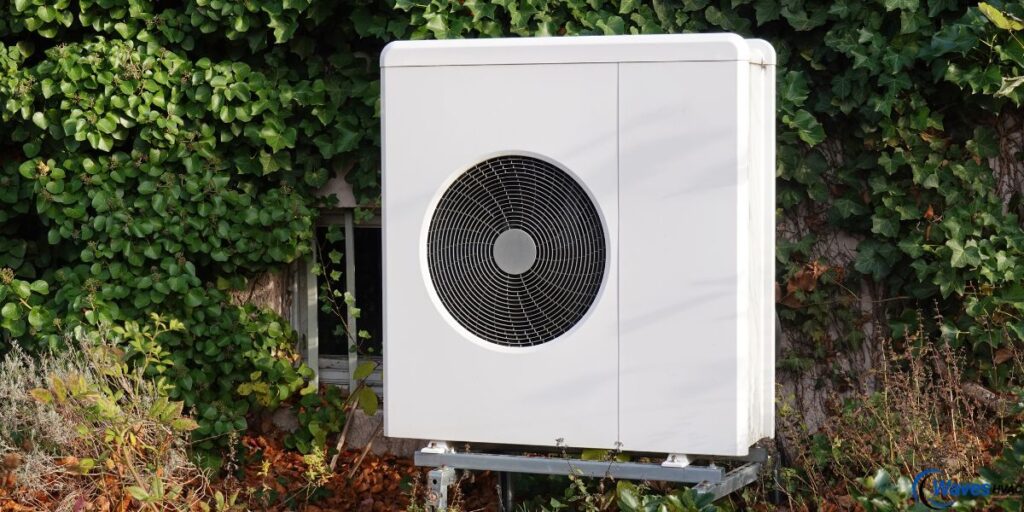
Most people notice their heating only when the bill arrives. If winter costs keep rising or certain rooms stay cold, the issue usually isn’t the thermostat; it’s the heating system itself. An air source heat pump works differently from a furnace. It doesn’t burn fuel. In cold weather, it pulls available warmth from outdoor air and brings it inside. When it’s hot out, it pushes indoor heat back outside, like an AC.
Because of that, homes often feel more even, and monthly costs can drop, especially with older equipment. See if a heat pump fits your home.
How does an air source heat pump work?
People often ask how an air source heat pump works. The system transfers heat from outside to inside, then reverses in summer.
Basic cycle:
- Outdoor coil pulls heat from the air
- Compressor raises its temperature
- Indoor coil releases it into the house
- In cooling mode, the flow reverses
Sizing matters. Too large and it keeps starting and stopping. Proper size runs longer and keeps rooms steady. Most comfort complaints we see come from oversized equipment cycling too quickly.
How Efficient Are Air Source Heat Pumps?
A furnace burns fuel to make heat. A heat pump moves existing heat. That’s the whole efficiency advantage behind air source heat pump efficiency.
Efficiency is shown with a few ratings:
- SEER2 (cooling)
- HSPF2 (heating)
- COP (heat output compared to electricity used)
In real homes, systems often deliver 2–4 units of heat for every 1 unit of electricity. You’ll hear it run longer, that’s normal, but modern cold-climate models still run in freezing weather.
What Impacts air source heat pump efficiency?
Performance depends less on the machine and more on the house around it.
Main factors:
- installation quality
- insulation level
- duct leakage
- local climate
- variable-speed compressor
Homes without ducts often do better with ductless setups. If ducts are sealed well, assuming the ducts aren’t leaking air. In very cold areas where natural gas is cheap, a dual-fuel setup can make sense.
Pros
- Lower running cost
- Heating and cooling in one system
- Fewer emissions
- Eligible for federal tax credits
Cons
- Higher upfront price
- Weak insulation reduces performance
- Needs proper installation
What Are the Different Types of air source heat pump system?
Not every setup fits every house. The right type depends on layout and ducts.
Ducted or ductlessIf the home has working ductwork, a ducted setup fits with little change.
No ducts? Wall-mounted indoor units are common in older houses, additions, or converted spaces.
Single-zone or multi-zoneA single unit handles one area. Multiple indoor units let rooms run independently.
Air-to-air or air-to-waterMost homes use air-to-air systems that heat and cool indoor air. Air-to-water systems heat water for radiators or floor heating.
Ground-source (geothermal) systems use stable underground temperatures but cost much more to install.
How Much Does an Air Source Heat Pump Cost in the USA?
Homeowners usually focus on equipment price first, but operating cost over time matters more.
Average ranges:
- Equipment: $4,000–$8,000
- Installation: $3,000–$7,000
- Total installed: $8,000–$15,000
Final cost varies by location and labor. Federal tax credits may cover up to $2,000, and operating cost is usually lower than electric resistance heating.
A Simple Framework for Deciding If It’s Right for You
If you’re considering an air source heat pump for home, start with the house, not the brand. We’ve seen properly sized systems outperform larger ones simply because they run longer and keep temperatures steady.
Quick 4-step check:
- check insulation and air sealing
- get a proper load calculation
- compare electricity vs gas prices in your state
- look up local rebates and federal credits
Skipping the load calculation causes many performance complaints. DOE and ENERGY STAR tools are good starting points.
Frequently Asked Questions
Will a heat pump actually work in very cold winters?
Yes. That’s usually the first thing people worry about in colder states. Cold-climate models keep heating even below 0°F. On the coldest nights the backup heat may run for a bit so indoor temperature doesn’t drop, normal behavior, not a malfunction.
Do heat pumps really lower energy bills?
In many homes they do, especially when replacing electric baseboards, oil, or propane. Savings depend on insulation and local utility prices, but most people notice winter bills stop jumping around as much after switching.
Is a heat pump expensive to run?
Usually no. It runs on electricity, but it isn’t acting like a space heater, it’s transferring heat. Because of that, daily cost stays lower than resistance heating and can be close to gas in milder climates.
How long does a system usually last?
About 12–15 years is typical with basic maintenance. Dirty filters, blocked coils, or a rushed installation shorten life more than normal use.
Do I need to replace my furnace to install a heat pump?
Not necessarily. Many homes keep the furnace as backup heat. The heat pump handles most heating and cooling, and the furnace only steps in during very low temperatures so you don’t have to replace everything at once.
Final Words
An air source heat pump isn’t a gimmick. It’s just a more efficient way to heat and cool a home when the house and the install are a good match. If you want real savings, don’t get stuck on brand shopping first. Focus on the things that actually decide performance: proper sizing (Manual J), good airflow, sealed ducts (if you have them), and solid insulation. Get that right and the system runs steady, rooms feel more even, and bills drop over time.
The homes where systems perform best are almost always the ones evaluated before installation, not after problems appear.